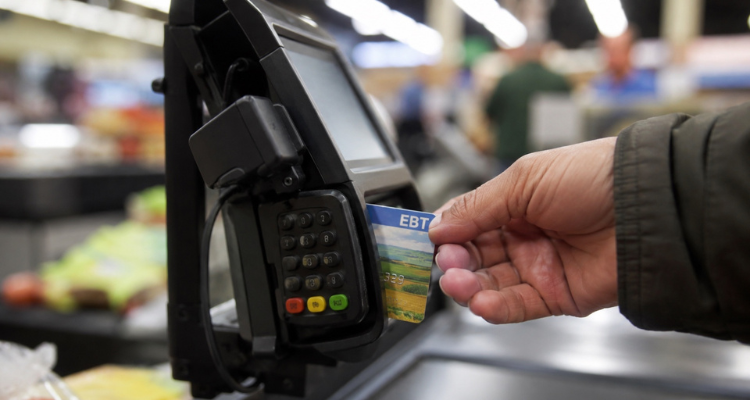
The theft of SNAP benefits through cloning devices installed on payment terminals — known as skimming — has become a national crisis. In response, the U.S. Secret Service launched a series of coordinated operations across multiple cities in early 2026 to locate and remove these illegal devices before criminals can use them to drain the EBT cards of SNAP recipient families.
The numbers speak for themselves. In 2025 alone, the Secret Service removed more than 400 illegal skimming devices across various operations, preventing an estimated potential fraud of more than $428 million. In January 2026, the operation in Seattle inspected 532 businesses, found and removed 14 illegal devices, and prevented potential losses of more than $14.5 million. In Cincinnati, another operation that same month inspected more than 1,500 point-of-sale terminals, ATMs, and gas pumps.
How skimming works and why EBT cards are so vulnerable
Criminals install small devices over card readers at supermarkets, gas stations, and ATMs. When a recipient swipes their EBT card, the skimmer copies the magnetic stripe data in milliseconds. The criminals then use that information to clone the card and make fraudulent purchases — typically within hours of the theft and often in another state or online.
The core problem is that most EBT cards in the country still use magnetic stripes — the same technology that bank cards abandoned in 2015 when they adopted the EMV chip. A 2019 Visa study found that fraud dropped by 87 percent after chip card implementation. Yet the federal government has not required states to upgrade their EBT cards — until now.
«The U.S. Secret Service and our law enforcement and interagency partners will not stand by idly while fraudsters prey on vulnerable communities using illegal card skimmers to commit EBT fraud.»
— Matthew Quinn, U.S. Secret Service Deputy Director
California leads the way: 83% less benefit theft with chip cards
The solution exists and has been proven to work. California became the first state in the country to fully transition EBT cards from magnetic stripe to secure chip technology. The results have been striking: the state reported an 83 percent reduction in reimbursements for stolen EBT benefits between January 2024 and November 2025, thanks to the new chip cards combined with other security measures.
Other states are following California’s lead. As of January 2026, Oklahoma is issuing chip-enabled EBT cards, and Alabama began its own rollout last month. Maryland and New York have plans to do the same. Massachusetts, Illinois, and Oklahoma are also piloting mobile EBT payments, which eliminate the skimming risk entirely by removing the need to swipe a card at all.
A bill that could require all states to act
Congress is currently debating a proposal that would require all states to implement chip-enabled EBT cards and mandate that retailers upgrade their terminals to accept them. The legislation would also direct fines levied on EBT fraudsters toward compensating theft victims. The USDA published technical standards for chip EBT cards in 2024 and expects to publish binding regulations before the end of September 2026.
How to protect your EBT card right now
While the transition to chip technology takes hold, these are the most effective steps to protect your SNAP benefits:
Inspect the card reader before swiping. If the terminal looks loose, misaligned, or has parts that wiggle, do not use it and alert the store manager. Change your PIN regularly and never share it with anyone — state agencies and EBT processors will never ask for your PIN by phone or text message. Check your balance frequently, ideally after every purchase, using the ConnectEBT app or by calling the number on the back of your card. Enable high-risk transaction blocking if your state offers it — states like Ohio, South Carolina, and Massachusetts already allow you to block online and out-of-state purchases by default. And if you spot a charge you did not make, call your EBT card customer service line immediately to cancel the card and request a replacement.