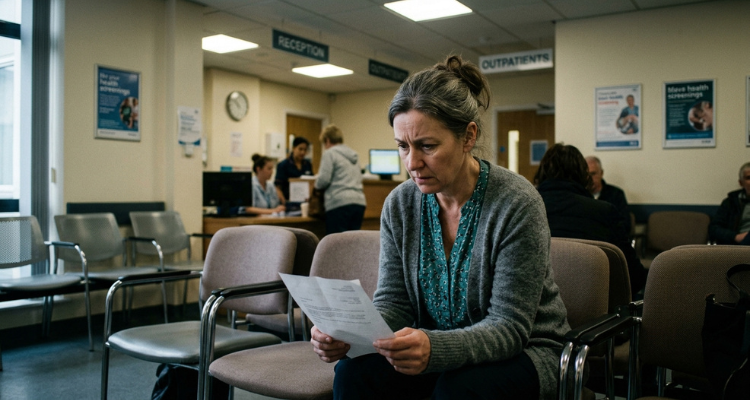
The same law that cut SNAP has delivered another severe blow this week. Starting October 1, 2026, groups of legally present immigrants in the United States have lost access to Medicaid — the federal health insurance program for low-income people — as a direct consequence of the H.R. 1 «One Big Beautiful Bill» law signed by President Trump in July 2025. Among those affected are war refugees, asylees who fled persecution, trafficking victims, interpreters who risked their lives assisting U.S. forces in Afghanistan, and other people who were in the country with the express authorization of the federal government itself.
The new law restricts Medicaid and Children’s Health Insurance Program (CHIP) eligibility to a shorter list of immigration categories: U.S. citizens, lawful permanent residents (green card holders), certain Cuban and Haitian entrants, and nationals of Pacific Island nations covered under the Compact of Free Association (COFA). All other groups of legally present immigrants who were previously eligible have been excluded as of today.
Who is losing Medicaid starting October 1
The groups most affected by this change include:
Refugees — people who fled wars, genocide, or persecution and were formally admitted to the United States under the federal refugee program. Asylees — people whom the U.S. government recognized as having the right to remain in the country due to persecution in their home country. Trafficking victims with T visa status or federal protection. Domestic violence victims with certain types of humanitarian visas. Humanitarian parolees — including Afghans who collaborated with U.S. forces and were evacuated after the fall of Kabul. SIV holders (Special Immigrant Visas) — Afghan and Iraqi interpreters and employees who worked directly for the U.S. military or government.
According to analysis by KFF Health News, the changes affect hundreds of thousands of legal immigrants across the country, many of them with disabilities, chronic illnesses, or medical conditions requiring ongoing care.
What remains covered
The law maintains Medicaid eligibility for some groups. Pregnant women, regardless of immigration status, remain eligible for Medicaid coverage during pregnancy in most states. Children, regardless of their parents’ status, also retain access in many states through specific state programs. Lawful permanent residents (green card holders) with more than five years of U.S. residence remain eligible without changes.
Some states, such as Colorado, have indicated they will maintain coverage for pregnant women and children regardless of immigration status through state programs funded with their own money — though this is not mandatory and not all states will do so.
The impact on people with disabilities is especially severe
Health policy experts have specifically flagged the impact on people with disabilities within the affected groups. For many refugees and humanitarian immigrants with physical or mental disabilities, Medicaid was their only source of access to treatments, medications, therapies, and assistive equipment. Without that coverage, many now face the interruption of ongoing treatments that can lead to serious or even permanent complications.
A federal judge in Washington State issued an emergency order on October 1 itself temporarily blocking the Medicaid cuts for non-citizen SSI recipients in that state, finding that the loss of coverage could lead to permanent disability or death. The legal battle is just getting started.
Medicaid provider taxes are also changing
In addition to the eligibility changes for recipients, H.R. 1 also introduces a moratorium on Medicaid provider taxes — a mechanism that many states used to expand program funding. This measure will reduce states’ ability to finance their own Medicaid programs, which may lead to lower payments to hospitals, clinics, and doctors serving Medicaid patients, and ultimately to reduced availability of medical care for recipients.
What to do if you think you are affected
If you are a legally present immigrant receiving Medicaid, the most urgent step is to check whether your immigration category is among those that remain eligible. Call your state’s Medicaid customer service line or visit your local social services office to verify your situation. If you have received a coverage termination notice and believe it is an error, you have the right to appeal the decision — request a formal appeal hearing as soon as possible.
If you need legal guidance on your immigration and health situation, organizations such as RAICES, CLINIC, the ACLU, and many other immigrant legal aid groups are providing free assistance across the country for those who have lost or are at risk of losing their Medicaid coverage.