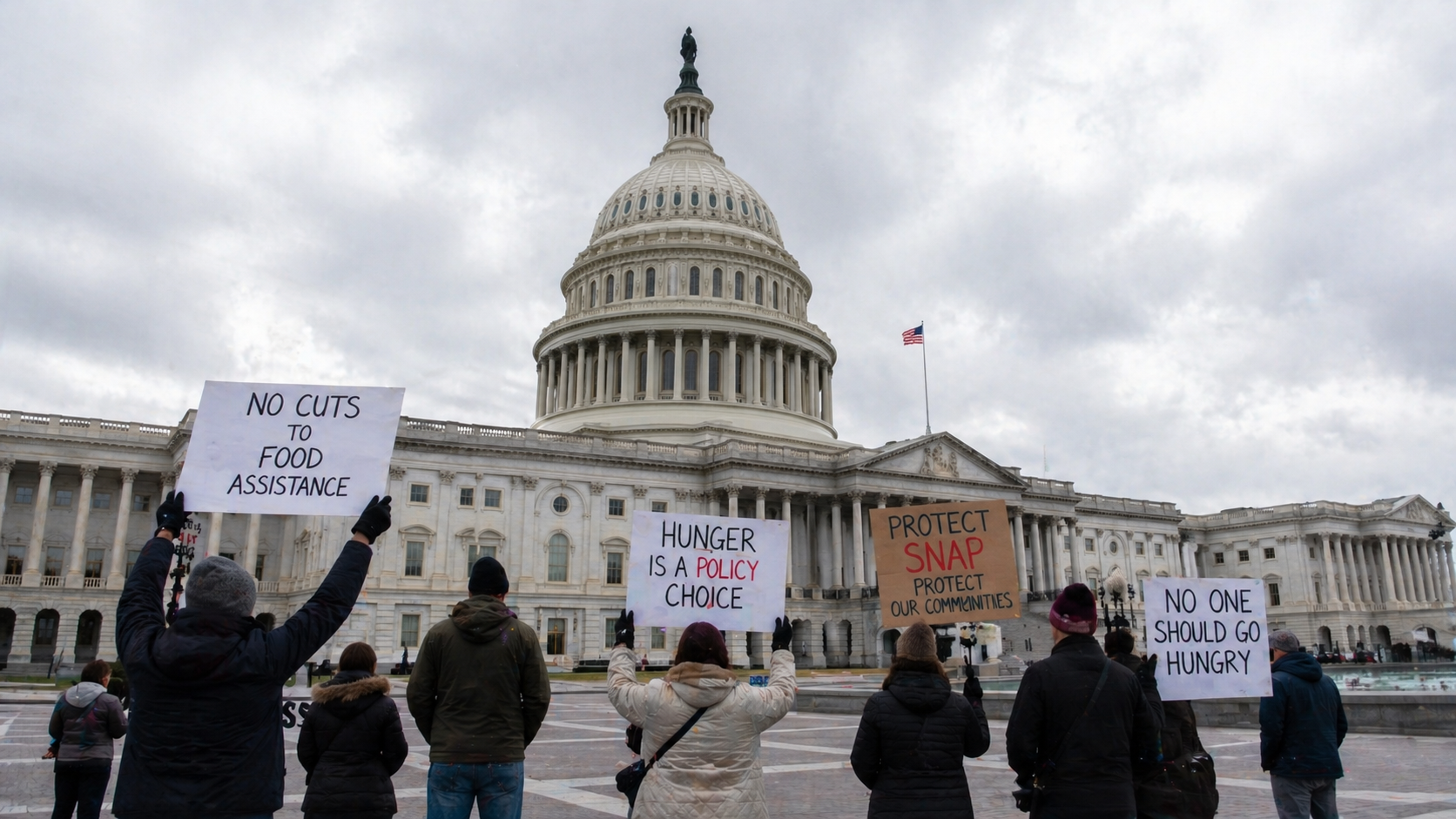
Just nine months after the «One Big Beautiful Bill» slashed $187 billion from the SNAP program over a decade, Congress has proposed another blow. On April 23, 2026, the House Appropriations Committee released its fiscal year 2027 budget proposal, allocating $101.2 billion for SNAP — a full $6.2 billion less than what was enacted for fiscal year 2026. If this budget passes as written, cuts to food assistance would deepen further starting October 1, 2026.
The proposal does not come alone. The same bill also cuts WIC — nutritional assistance for pregnant women, infants, and young children — by $200 million compared to the previous year, and reduces by 10 percent the cash-value benefit that WIC families use to purchase fresh fruits and vegetables.
Why this cut comes at the worst possible time
The Food Research and Action Center (FRAC), one of the country’s leading food advocacy organizations, immediately warned that this reduction «threatens SNAP’s ability to fully meet the needs of an increasing number of households» — including working families, children, older adults, veterans, and people with disabilities.
The context is critical. In recent months, millions of Americans have already lost access to SNAP because of the new work requirements under H.R. 1. States have begun paying a share of benefit costs for the first time, which has already pushed some to revisit their eligibility criteria. Now, on top of all that, Congress is proposing to cut $6.2 billion more. For families still depending on the program, the math is getting tighter by the month.
What could change in practice
If the budget is approved as proposed, the impact would translate into a reduced capacity to respond to growing demand. This does not necessarily mean that every family’s monthly benefit would be cut directly and immediately — but it does mean the system would have less room to absorb new applicants, handle emergencies, or maintain current benefit levels if the number of recipients continues to rise.
The 10 percent cut to the WIC fruit and vegetable benefit, however, would have a direct and immediate effect on families who rely on that program. Mothers, infants, and young children would see a concrete reduction in their ability to purchase fresh, nutritious food with their benefits.
Not approved yet — but the process is moving fast
It is important to be clear: this budget has not been approved yet. The subcommittee passed it on April 23, and it must now clear the full committee before reaching the House floor, and then the Senate. Fiscal year 2027 begins on October 1, 2026, so the legislative process still has several months to play out.
The direction, however, is unmistakable. The Trump administration had originally proposed cuts to the USDA budget of up to 19 percent below current levels. The Committee’s proposal, while more moderate, follows the same path. FRAC was unequivocal in its response: «The Committee must go back to the drawing board and put American families first. WIC must be fully funded, and the cuts to SNAP must be restored. Hungry people can’t wait.»
For the millions of Americans who depend on SNAP to put food on the table, the April 23 proposal is a warning sign that cannot be ignored. Now more than ever, staying informed about changes to the program is the most powerful tool available to protect your benefits.