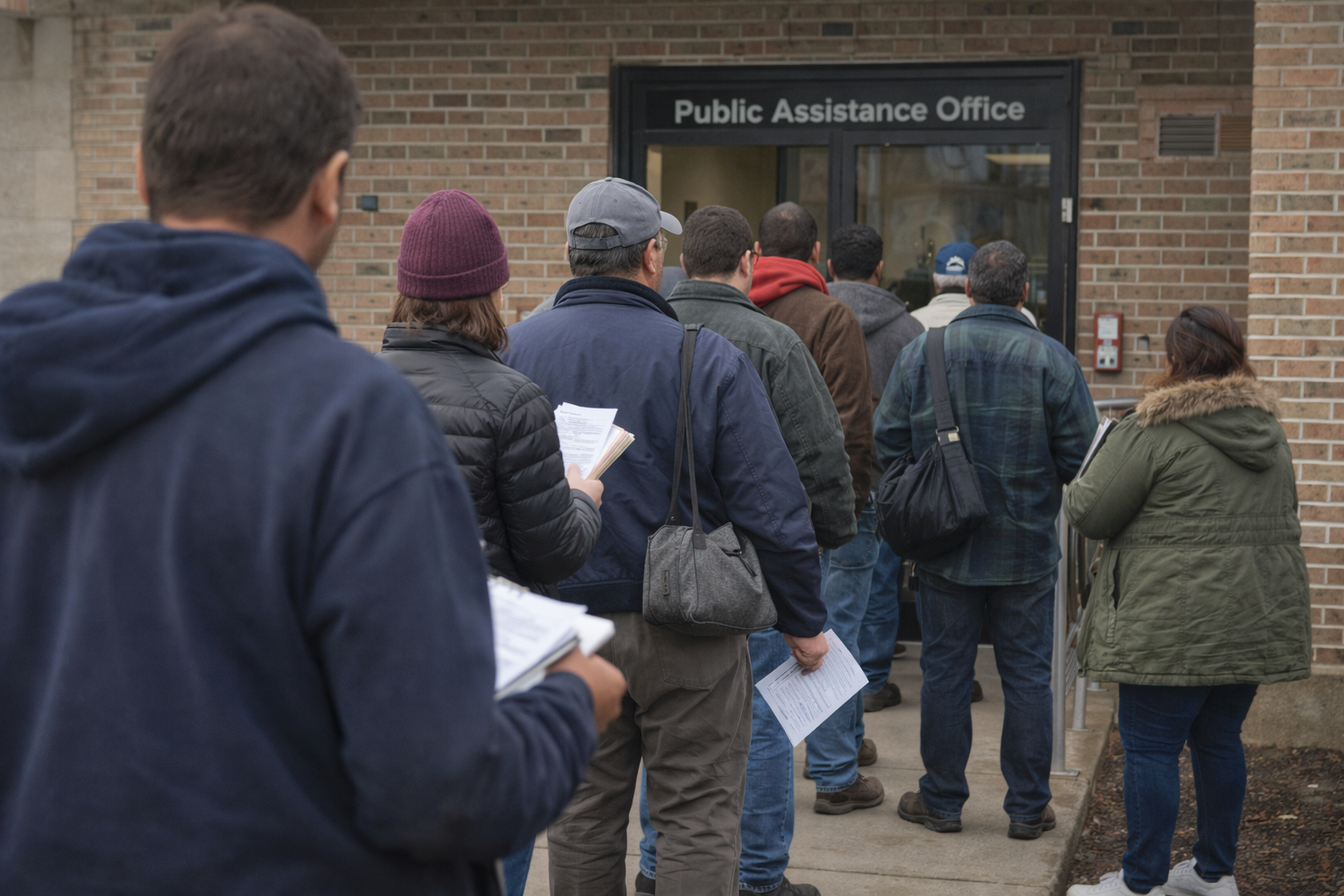
The Supplemental Nutrition Assistance Program (SNAP), which provides food assistance to more than 40 million people with low incomes each month, is facing changes due to new federal provisions that adjust eligibility. The updates focus mainly on work requirements for certain adults and on how states apply waivers and eligibility checks.
What is changing in SNAP
The new federal rules expand situations in which some beneficiaries must work, look for a job, or take part in training to keep benefits beyond existing time limits for certain groups. The stated goal is to standardize how requirements are applied and reduce exceptions, which could affect who maintains access to food stamps throughout 2026.
Who may be affected by work requirements
In general, the rules target adults without dependents and without disabilities who, to continue receiving SNAP, must show a minimum level of qualifying activity each month (for example, employment or approved training). In several state guides and explanations from legal aid organizations, that threshold is often described as 80 hours per month (equivalent to 20 hours per week) in allowable activities.
When it takes effect and how it will be implemented
Implementation is not identical nationwide because the program is administered through state agencies. In some states, the changes are reflected in specific effective dates during 2026, with a gradual rollout through reviews, renewals, and compliance checks. For that reason, the real-world impact depends on where you live and your state’s administrative timeline.
What happens with waivers and renewals
In addition to work requirements, the rules may reduce states’ ability to grant broad waivers in areas with high unemployment and increase the importance of recertification and periodic verification. This can mean more paperwork, stricter deadlines, and a greater need to submit documentation on time.
How to prepare if you receive SNAP or an EBT card
- Check your status: confirm whether you fall into a group subject to work rules (based on age, health status, and household composition).
- Save proof: pay stubs, work schedules, job-search records, or enrollment in approved training programs.
- Track key dates: renewals, interviews, and verification requests to avoid interruptions on your EBT card.
- Contact your state agency: procedures and forms can vary by state, even when the rule is federal.
What it means for beneficiaries
For people who already met similar requirements, the change may involve more verification. For others, it may mean that, for the first time, they must document work or training activity to keep benefits. In all cases, the core recommendation is to plan ahead for renewals, keep documentation organized, and follow instructions from the state agency that administers SNAP.