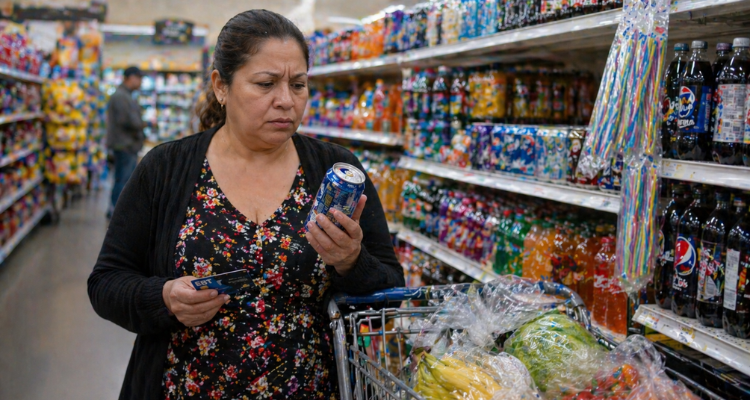
What started as an experimental measure in a handful of states has become a nationwide trend that is changing the way EBT cards are used across the country. As of today, 22 states have an approved federal USDA waiver to restrict what products can be purchased with SNAP benefits — and several more have applications in the pipeline. The question thousands of recipients are asking is the same one: is my state on the list?
The initiative is part of the Trump administration’s «Make America Healthy Again» (MAHA) program, which has actively encouraged governors to apply for these waivers to remove soda, energy drinks, candy, and other ultra-processed products from SNAP eligibility. The U.S. Department of Agriculture (USDA), led by Secretary Brooke Rollins, has approved these requests in successive waves since June 2025.
The 22 states with approved restrictions
The first to receive waivers were Indiana, Iowa, Nebraska, Arkansas, Idaho, and Utah in June 2025. In August, the USDA approved requests from Texas, Oklahoma, Louisiana, Colorado, Florida, and West Virginia. December brought Hawaii, Missouri, North Dakota, South Carolina, Virginia, and Tennessee into the group. And in March 2026, Kansas, Nevada, Ohio, and Wyoming completed the roster of 22. The USDA has also indicated that at least eight more applications are currently in the pipeline.
Not every state restricts exactly the same products. Most prohibit sodas and soft drinks (including diet and zero-sugar versions), candy and sweets, and energy drinks. Florida and Arkansas go further, also banning ultra-processed shelf-stable desserts ready for consumption and beverages made with less than 50% real fruit or vegetable juice. In every case, restrictions are applied automatically at the point of sale: if you try to buy a restricted item with your EBT card, the terminal will decline the transaction without any cashier intervention needed.
When the restrictions take effect in each state
Implementation dates vary by state. Texas launched on April 1, 2026. Florida followed on April 20. West Virginia was the pioneer, with restrictions in place since early in the year. Arkansas is scheduled to implement its restrictions on July 1, 2026. For the remaining states, rollout timelines are being confirmed throughout 2026, as retailers need time to update their point-of-sale systems.
It is important to know that retailers have up to 12 months from the official implementation date to upgrade their payment terminals to apply the new restrictions. This means that during a transition period, some stores may not yet be blocking restricted items automatically — even in states where the waiver is already technically in effect.
What remains eligible in all states
Despite the growing number of restrictions, the vast majority of basic foods remain eligible everywhere. Fruits, vegetables, meats, dairy products, cereals, bread, eggs, and legumes are unaffected by any of the waivers approved so far. The same goes for unsweetened water, coffee, tea, and juices with more than 50% real fruit or vegetable content.
If you live in one of the 22 states with approved restrictions and want to know exactly which products are blocked in your case, the best source of information is the official website of your state’s social services agency or the USDA portal, where the specific details of each waiver are published. The list of restricted products is not the same in every state, so it is worth checking the specific rules where you live before your next grocery run.