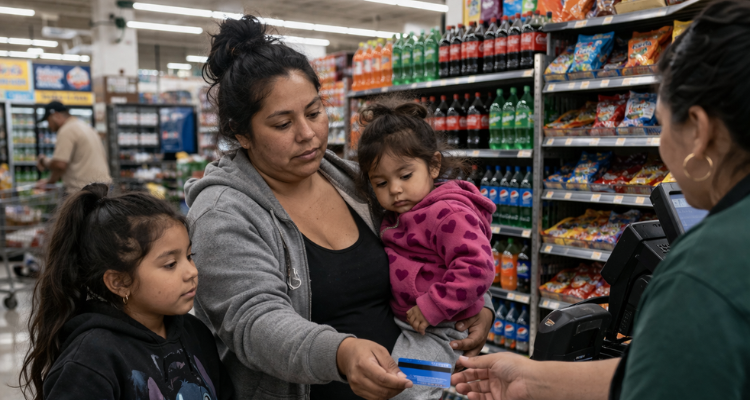
As of April 20, 2026, SNAP recipients in Florida will no longer be able to use their EBT card to purchase soda, energy drinks, candy, or ultra-processed desserts. The measure, implemented under the Florida Healthy SNAP program and approved by the U.S. Department of Agriculture (USDA), makes Florida one of the states with the broadest restrictions in the country on what can be bought with food assistance benefits.
The initiative is part of the national «Make America Healthy Again» policy promoted by the Trump administration, which has actively encouraged states to apply for federal waivers to limit SNAP purchases to higher-nutritional-value products. Florida secured approval to apply four categories of restrictions — the broadest set among the states that have introduced such changes so far.
What products are now banned
Starting on the effective date, SNAP recipients in Florida will no longer be able to buy the following products with their EBT card:
Soda and soft drinks, including regular, diet, and zero-sugar versions. Energy drinks containing more than 65 milligrams of caffeine per serving. Candy and sweets in all forms: hard candy, gummies, chewing gum, and chocolate bars. Ultra-processed shelf-stable desserts ready for consumption, such as packaged cookies, Oreos, or Twinkies.
To determine whether a drink is restricted, recipients can check the nutrition label: beverages made with more than a set amount of added sugar or containing artificial sweeteners will be blocked at the register.
What remains allowed
Despite the new restrictions, the vast majority of basic foods remain eligible. Fruits, vegetables, meats, dairy products, cereals, and grains are entirely unaffected. The same applies to cooking ingredients such as flour, sugar, and baking mixes.
Among the beverages that remain permitted are unsweetened sparkling water, juices with more than 50% real fruit or vegetable content, coffee, tea, sports drinks, and fresh bakery items. Frozen meals such as prepared pizzas also continue to be eligible under the new rules.
How it will work at the checkout
The change will be fully automatic at points of sale. If a recipient attempts to pay for a restricted item with their EBT card, the terminal will automatically decline the transaction without affecting the total monthly benefit balance or blocking the rest of the purchase. This system will apply both in physical stores and on authorized online platforms that accept SNAP.
The Florida Department of Children and Families (DCF) has notified all authorized retailers of their obligation to update their payment systems before April 20. Recipients will receive information about the changes through the MyACCESS portal and via text messages and emails sent ahead of the effective date.
A trend spreading across the country
Florida is not the only state to have introduced these types of restrictions. Texas rolled them out on April 1, and states including Idaho, Oklahoma, Louisiana, Colorado, and Virginia have also implemented similar bans in recent months. According to the USDA’s official list, states such as Arkansas, Tennessee, and Hawaii are expected to follow before the end of 2026.
Community and food advocacy organizations have raised concerns about the impact of these measures on the most vulnerable families. They warn that in many low-income communities access to fresh and nutritious products is already limited, and that restrictions could make it even harder to buy affordable food without necessarily improving recipients’ diets. The monthly benefit amount does not change — but the range of products on which it can be spent is significantly narrowed.