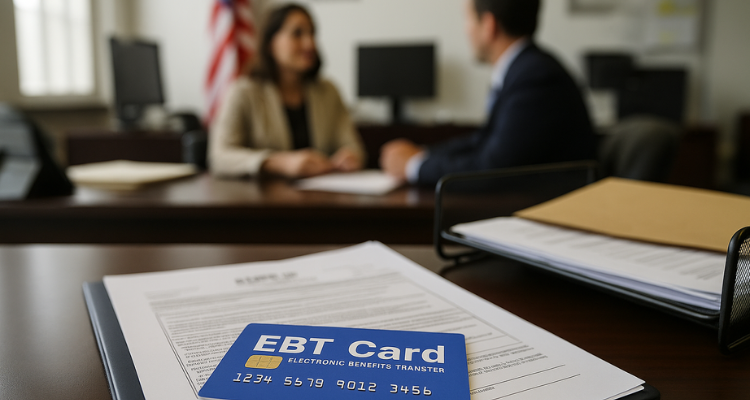
The administration of President Donald Trump has escalated tensions over the Supplemental Nutrition Assistance Program (SNAP). The U.S. Department of Agriculture (USDA) has warned that it may withhold administrative funding from several Democratic-led states that refuse to turn over detailed information about SNAP recipients.
What Information Is the USDA Requesting?
The federal government is asking states to provide sensitive data about SNAP beneficiaries, including:
- Full names and home addresses
- Benefit payment histories
- Immigration status and other personal details
According to federal officials, the data would help identify cases of fraud and clean up the national enrollment database. However, many states argue that the request raises serious privacy concerns and could lead to the misuse of confidential information.
What Funds Are at Risk?
The threat does not immediately target the monthly benefits that families receive. Instead, it focuses on the administrative funds that states rely on to operate SNAP. These funds cover:
- Application processing and recertifications
- Customer service and call centers
- Technology systems and EBT card management
If these resources are reduced, states could face longer processing times, increased workload for caseworkers, and technical challenges that ultimately affect the user experience.
States Pushing Back
More than twenty states, along with Washington, D.C., have declined to comply with the data request and have turned to the courts for intervention. They argue that:
- They already verify eligibility according to federal rules
- They have never been required to provide such extensive personal data
- The request could violate the confidentiality protections of millions of households
The USDA maintains that it has the legal authority to withhold administrative funding if a state exhibits a pattern of noncompliance with federal requirements.
The USDA’s Fraud Concerns
Federal officials claim that, in the states that have submitted data, they identified issues such as:
- Deceased individuals still listed as active SNAP beneficiaries
- People appearing to receive benefits in multiple states
Policy experts note that fraudulent cases involving individual beneficiaries make up a small portion of total SNAP losses. Larger issues often stem from criminal schemes targeting EBT systems, including card cloning and benefit theft.
What This Means for SNAP Recipients
For now, there are no cuts planned to monthly SNAP benefits as part of this dispute. Still, recipients may experience:
- Slower application or recertification processing
- Increased verification steps depending on the state
- Reduced capacity in state agencies if administrative funds are withheld
Recommendations for SNAP Users
- Follow official updates from your state’s Department of Social Services
- Check your EBT card balance regularly to confirm scheduled deposits
- Keep letters, notices, and receipts from SNAP in case your case is reviewed
The standoff between the federal government and the states may continue in court for months. Meanwhile, millions of households are closely watching how these administrative decisions could impact the stability and accessibility of SNAP in the near future.